
Call us now :
 Send Inquiry
 Send Inquiry
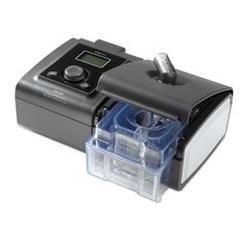
BIPAP S/T (VPAP ST) Noninvasive Ventilator
MOQ : 1 , , Unit
BIPAP S/T (VPAP ST) Noninvasive Ventilator Specification
- Application
- Hospital, Clinic, Homecare
- Condition
- New
- Product Type
- Noninvasive Ventilator (BIPAP S/T, VPAP ST)
- Power
- 80W (max)
- Display
- LCD Screen
- Electric Current Type
- AC
- Material
- High-quality medical plastic housing
- Advantage
- User-friendly interface, multi-mode ventilation, stable performance
- Voltage
- 100-240V AC
- Safety Level
- Medical grade, patient circuit protection
- Humidity
- Adjustable humidification settings
- Purpose
- Noninvasive respiratory support for patients with breathing insufficiency
- Feature
- Spontaneous/Timed (S/T) Mode, backup rate, real-time monitoring
- Pressure
- 4-30 cmH2O adjustable
- Used For
- Treatment of sleep apnea, COPD, respiratory disorders
- Dimension (L*W*H)
- 290 x 196 x 127 mm
- Altitude Compensation
- Automatic
- Patient Range
- Adult and pediatric (subject to mask selection)
- Noise Level
- <30 dB(A)
- Interface
- Standard 22 mm tubing connector
- Weight
- Approx. 2.1 kg
- Alarm System
- Visual and audio alarms: low pressure, power failure, mask removal, leakage detection
- Ramp Time
- 0-60 min adjustable
- Data Storage
- Internal memory for therapy data logging
- Accessories Included
- Breathing tube, mask, power adapter, user manual
- Relative Humidity Range
- 15% to 93% (non-condensing)
- Backup Rate
- 0-30 bpm adjustable
- Operating Modes
- S, T, S/T modes
- Operating Temperature
- +5C to +40C
About BIPAP S/T (VPAP ST) Noninvasive Ventilator
BIPAP S/T (VPAP ST) Noninvasive Ventilator
We are instrumental in offering to our clients with a perfect quality BIPAP S/T Non invasive Ventilator. The offered ventilator is used for chronic respiratory insufficiency patients. In tandem with the latest industry standards, our offered ventilator is procured from our authentic vendors. In ahead of their final dispatch at our clients' end, our offered ventilator is dully checked on various parameters set by the industry.
System one features:
- Advanced event detection
- Bi-Flex for comfort
- System One Resistance Control
- Oximetry module
- Encore and Direct View patient Management systems
- SD card and wired, wireless, and broadband modem capable
Advanced leak-sensing technology with Digital Auto-Track:
- Enables optimum patient/ventilator synchrony
- Recognizes and compensates for leaks
- Automatically adjusts variable trigger and cycle thresholds
Heated Tube humidification:
- Air temperature control
- Improved humidification
- Rain out protection
Clinically-proven Servo Ventilation algorithm
Auto EPAP for a patients changing needs
Real-time access to patient data via modems
Improved humidity output and control
System One resistance control
Bi-Flex for comfort
Encore data management and reporting
New patient waveform reports
15mm tubing option
Intuitive patient controls
Smaller and quieter design
Assembled in USA
Heated tube option available

Versatile Operating Modes and Safety
With S, T, and S/T modes and an adjustable backup rate from 030 bpm, this ventilator meets diverse patient needs. Visual and audio alarms for low pressure, power failures, mask removal, and leakage detection further enhance safety and reliability, making it suitable for critical and non-critical care environments.
Advanced Comfort Features
The device boasts an ultra-quiet operation at under 30 dB(A) and features adjustable humidification settings, providing gentle therapy for patient comfort. The ramp time, which can be set up to 60 minutes, allows users to ease into their therapy gradually, making the experience more tolerable and effective.
Comprehensive Data Monitoring and User Interface
An integrated LCD screen offers real-time monitoring, while internal memory securely stores therapy data for clinical review. The intuitive controls and standard 22 mm tubing connector ensure ease of use for caregivers and patients alike, supporting seamless operation in homes, hospitals, or clinics.
FAQs of BIPAP S/T (VPAP ST) Noninvasive Ventilator:
Q: How do I operate the BIPAP S/T (VPAP ST) Noninvasive Ventilator?
A: The ventilator uses a user-friendly LCD interface where you can select the desired operating mode (S, T, or S/T) and adjust settings such as ramp time, pressure (430 cmH2O), and backup rate. Simply connect the included breathing tube and mask, plug in the power adapter, and follow the prompts in the user manual for setup.Q: What conditions can this ventilator help manage?
A: It is designed to provide noninvasive respiratory support for people suffering from sleep apnea, COPD, and other respiratory insufficiencies in both adults and pediatric patients (depending on the mask used).Q: When should the devices alarms be expected to activate?
A: Visual and audio alarms are triggered in cases of low airway pressure, power failure, mask removal, or excessive air leakage to ensure patient safety and prompt intervention.Q: Where can the BIPAP S/T (VPAP ST) Ventilator be used?
A: This ventilator is suitable for use in hospitals, clinics, and homecare settings, offering flexibility for medical professionals, caregivers, and patients within its operational environment range (+5C to +40C, 15%93% relative humidity, non-condensing).Q: What is the process for adjusting humidification and ramp settings?
A: Both humidification and ramp time can be adjusted via the control panel. Users can fine-tune these settings according to comfort preferences and clinical recommendations, up to 60 minutes for ramp time and adjustable humidity levels.Q: How does data logging benefit patient care?
A: The internal memory stores detailed therapy data which healthcare providers can review to optimize and personalize ongoing treatment for better outcomes.Q: What are the main benefits of this ventilator for patients and caregivers?
A: It offers stable and effective respiratory support with customizable modes, quiet operation, advanced safety features, real-time monitoring, and easy portabilitymaking it ideal for various healthcare environments in India.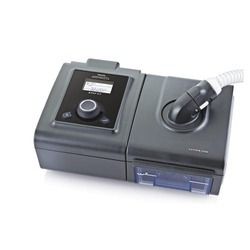
Tell us about your requirement

Price:
Quantity
Select Unit
- 50
- 100
- 200
- 250
- 500
- 1000+
Additional detail
Mobile number
Email

More Products in BIPAP Ventilator Category
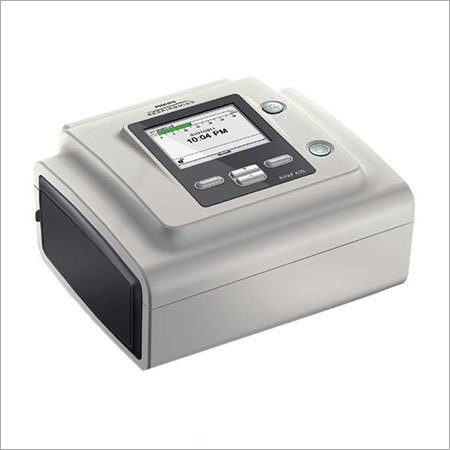
BiPAP A30 Through The Patient Care Pathway
Price 110000 INR / Unit
Minimum Order Quantity : 1 Unit
Voltage : 100240 V AC
Application : Respiratory support for patients with sleep apnea or respiratory insufficiency
Condition : New
Product Type : BiPAP Machine
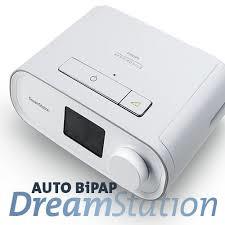
DREAM STATION AUTO BIPAP
Price 92000 INR / Unit
Minimum Order Quantity : 1 Unit
Voltage : 100240V AC
Application : Obstructive Sleep Apnea Therapy
Condition : New
Product Type : BiPAP (Bilevel Positive Airway Pressure) Machine
BIPAP A-40 Tailored Ventilation System
Price 250000 INR / Unit
Minimum Order Quantity : 1 Unit
Voltage : 100240 V AC
Application : Noninvasive respiratory therapy
Condition : New
Product Type : BiLevel Positive Airway Pressure (BiPAP) Ventilation System
BIPAP AWAPS Machine
Price 13000 INR / Unit
Minimum Order Quantity : 1 Unit
Voltage : 100240 V AC
Application : Respiratory Support, Sleep Apnea, NonInvasive Ventilation
Condition : New
Product Type : BIPAP AWAPS Machine

 Send Inquiry
Our Products
- Medical Ventilator
- BIPAP Ventilator
- Cough Assist Equipment
- Polysomnography System
- Respiratory Sleep Lab
- CPAP Machine
- Portable Oxygen Concentrator
- Oxygen Concentrator
- Medical Spirometer
- Humidification System
- Full Face & Nasal Mask - CPAP/ BIPAP & VENTILATOR
- Respiratory Equipment Accessories
- Nebulizer Machine
- Home Care Medical Equipment
- Pulse Oximeters
- Medical Equipments on Rent
- Auto CPAP Machine
- Cardiology
- Emergency Care & Resuscitation
- MOTHER & CHILD CARE
- Patient Monitor
- Resmed Equipment

5 Shri Raj Appartment, Pratap Road, Near Sanstha Vasahat Gate, Raopura, Vadodara - 390001, Gujarat, India

Mrs Sonal Tapankumar Shah
(Proprietor)
Mobile :+919377784641
 Send Inquiry
 Send SMS
Developed and Managed by Infocom Network Private Limited.
